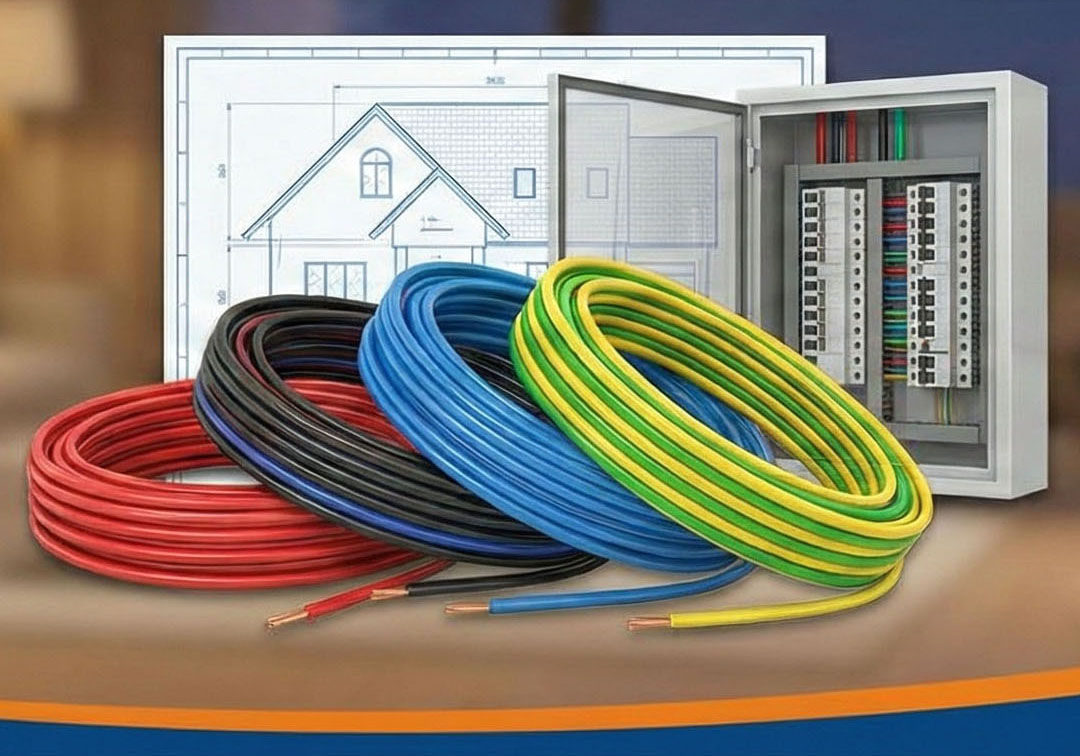
Home Eletrical Cables Control Cables – Precision and Reliability for Electrical Control Systems
Control Cables – Precision and Reliability for Electrical Control Systems

Description

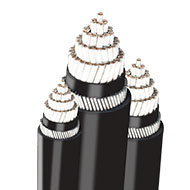
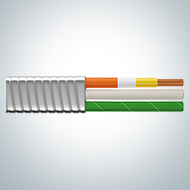
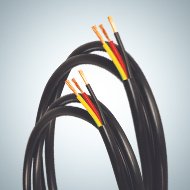
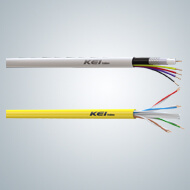
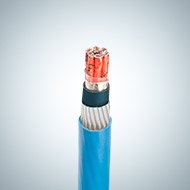
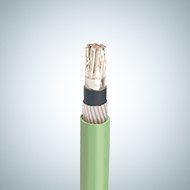
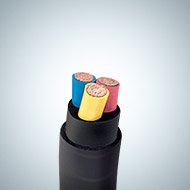
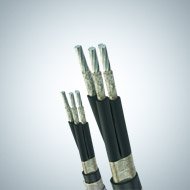
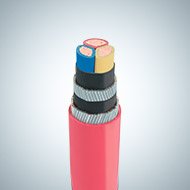
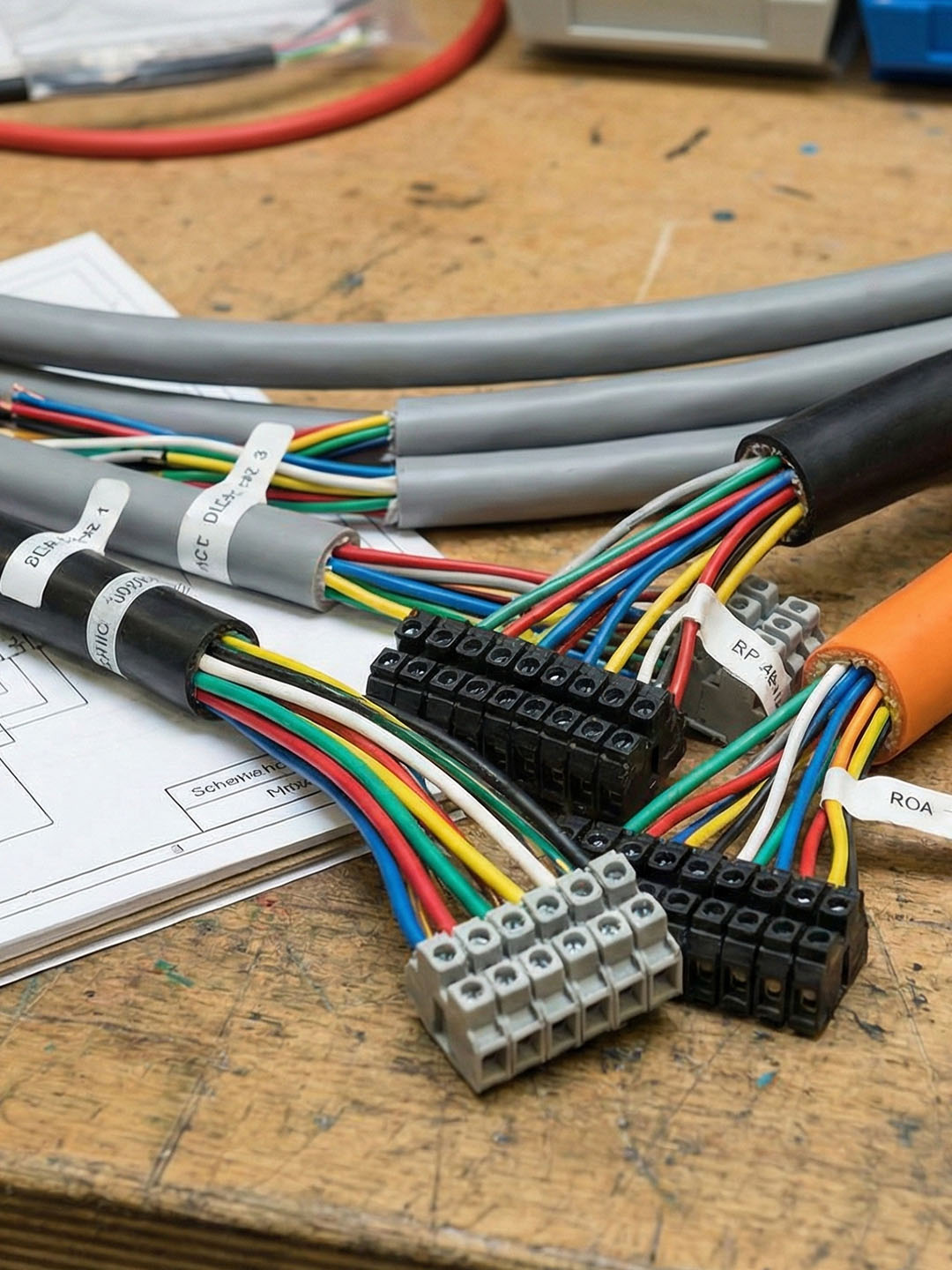
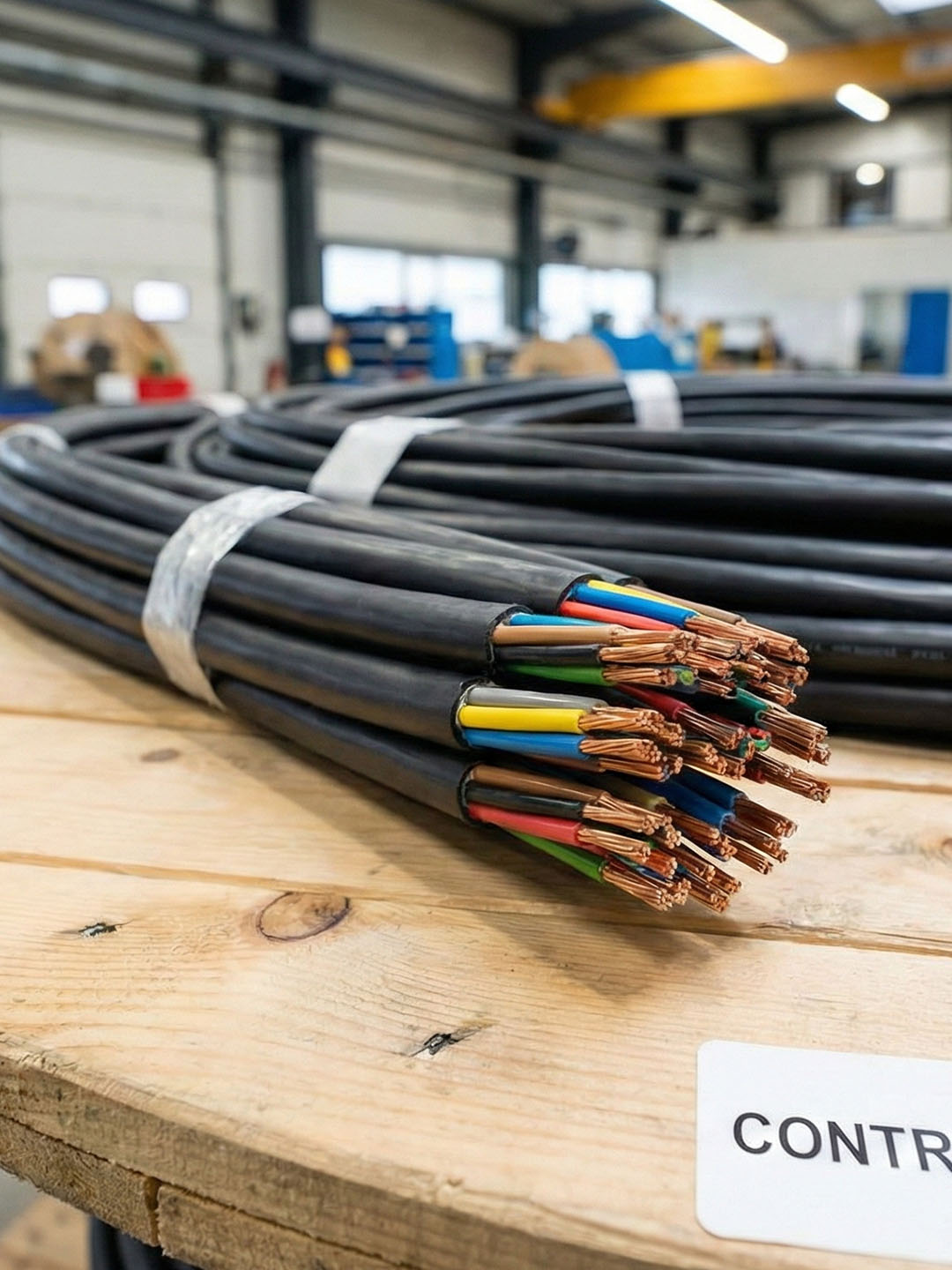
Types of Control Cables Control cables are available in different constructions to meet specific application requirements: 1. PVC Insulated Control Cables PVC insulated control cables are widely used for general control and signaling applications due to their cost-effectiveness and good mechanical strength. 2. XLPE Insulated Control Cables XLPE insulated control cables offer superior thermal resistance, higher dielectric strength, and longer service life, making them suitable for industrial environments. 3. Armoured Control Cables Armoured control cables provide enhanced mechanical protection and are ideal for underground installations and harsh industrial conditions. 4. Flexible Control Cables Designed for applications involving continuous movement or vibration, flexible control cables are commonly used in machinery, robotics, and automation systems. 5. Shielded Control Cables Shielded control cables protect signals from electromagnetic interference (EMI), ensuring accurate and stable signal transmission in sensitive environments. Key Features of Control Cables Control cables are engineered to deliver reliable signal transmission with the following features: Accurate and stable signal transmission High-quality insulation and sheath materials Resistance to heat, moisture, oil, and chemicals Excellent flexibility and bending performance Mechanical strength for long-term durability Compliance with national and international standards These features make control cables suitable for critical control and automation systems. Applications of Control Cables Control cables are extensively used in a wide range of industries and applications, including: Industrial automation and process control Power plants and substations Manufacturing and assembly lines Instrumentation and monitoring systems HVAC and building management systems Robotics and motion control systems Oil & gas, chemical, and petrochemical industries Their ability to transmit control signals reliably makes them indispensable in complex electrical systems. Advantages of Using Control Cables Using high-quality control cables offers several operational benefits: Improved system accuracy and responsiveness Reduced signal interference and data loss Enhanced safety and operational reliability Long service life with low maintenance requirements Easy installation and system integration Reliable control cables help maintain smooth operations and minimize downtime in industrial environments. Factors to Consider When Selecting Control Cables Choosing the right control cable requires careful evaluation of the following factors: Number of cores and conductor size Voltage rating and insulation type Shielding requirements for EMI protection Installation environment and mechanical stress Temperature and chemical exposure Compliance with applicable standards Proper selection ensures efficient performance and long-term reliability of control systems. Importance of Quality Control Cables Control cables are critical to the accuracy and safety of automated and control systems. Poor-quality cables can result in signal distortion, system malfunctions, and operational failures. High-quality control cables ensure consistent signal transmission, improved system performance, and enhanced safety. Investing in reliable control cables is essential for achieving precision and efficiency in modern industrial operations.
SIDEBAR ACCOUNT
Categories