Description
Types of High Voltage Cables
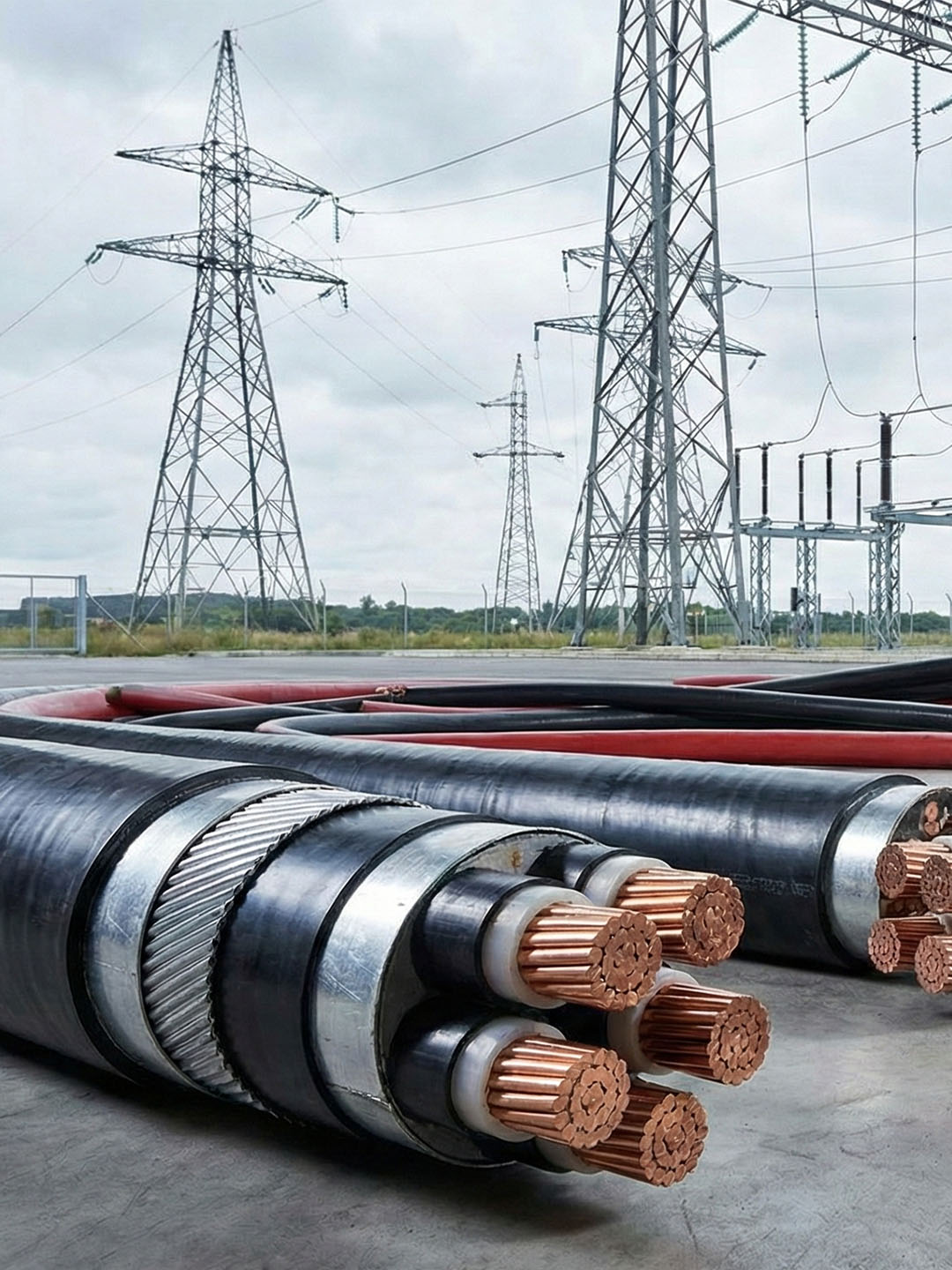
High voltage cables are available in various configurations to suit different environments and applications:
1. XLPE Insulated High Voltage Cables
Cross-Linked Polyethylene (XLPE) insulated cables are the most commonly used HV cables due to their excellent electrical, thermal, and mechanical properties. They offer low dielectric loss, high current-carrying capacity, and long service life.
2. Oil-Filled High Voltage Cables
These cables use insulating oil to enhance dielectric strength and are mainly deployed in specialized high-voltage applications where superior insulation performance is required.
3. Gas-Insulated High Voltage Cables
Designed for confined spaces and complex installations, gas-insulated cables provide high reliability and are often used in urban infrastructure and substations.
4. Submarine High Voltage Cables
Used for underwater power transmission between islands, offshore wind farms, and coastal grids, these cables are specially designed to withstand water pressure, corrosion, and mechanical stress.
Key Features of High Voltage Cables
High voltage cables are engineered with advanced technology to ensure optimal performance and safety:
High Electrical Insulation Strength
Excellent Thermal Resistance
Low Power Loss and High Efficiency
Superior Mechanical Durability
Resistance to Moisture, Chemicals, and Environmental Stress
Long Operational Life with Minimal Maintenance
These features make HV cables suitable for critical power transmission where reliability cannot be compromised.
Applications of High Voltage Cables
High voltage cables are extensively used across multiple sectors, including:
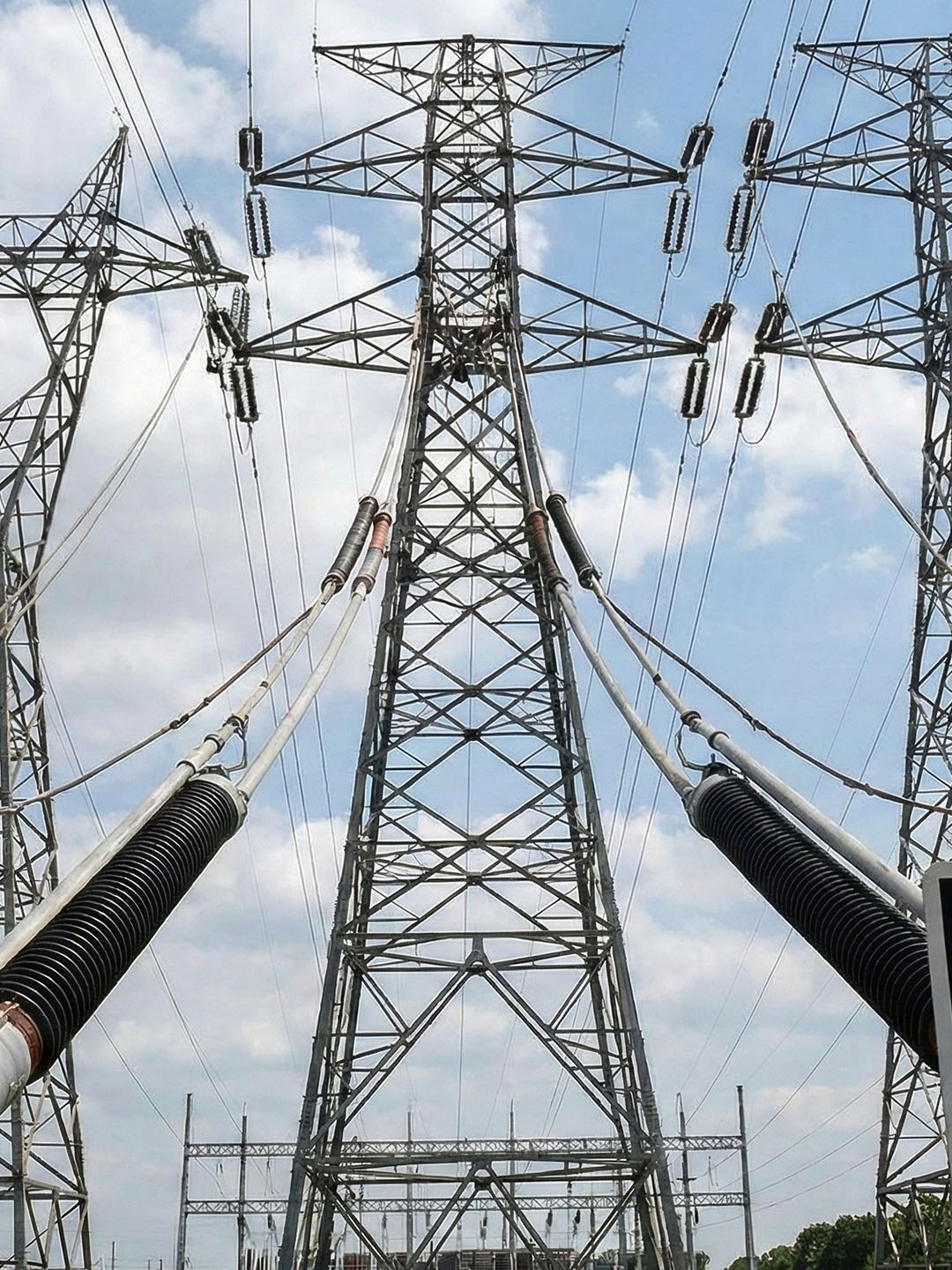
Power generation and transmission networks
Electrical substations
Industrial plants and manufacturing units
Renewable energy projects (solar and wind power)
Metro rail and transportation infrastructure
Oil & gas and mining industries
Urban underground power distribution systems
Their ability to transmit large amounts of power safely makes them indispensable for large-scale energy projects.
Advantages of Using High Voltage Cables
Choosing the right high voltage cables offers several operational and economic benefits:
Efficient Long-Distance Power Transmission
Reduced Transmission Losses
Enhanced Safety and System Stability
Lower Maintenance Costs
Improved Grid Reliability
Support for High-Load and Future Expansion Needs
Modern HV cables are also designed to meet international safety and quality standards, ensuring compliance and peace of mind for operators.
Factors to Consider When Selecting High Voltage Cables
Selecting the appropriate high voltage cable requires careful evaluation of several parameters:
Operating voltage and current capacity
Installation environment (underground, overhead, or submarine)
Insulation material and thermal rating
Mechanical strength and flexibility
Compliance with national and international standards
Expected service life and maintenance requirements
Proper selection ensures optimal performance, safety, and cost efficiency over the long term.
Why Quality High Voltage Cables Matter
High voltage cables are critical infrastructure components. Poor-quality cables can lead to power losses, system failures, safety hazards, and costly downtime. High-quality HV cables, on the other hand, ensure uninterrupted power supply, enhanced system performance, and long-term reliability.
Investing in reliable high voltage cables is essential for industries and utilities aiming to build resilient and future-ready power networks.

 Eletrical Cables
 Extra High Voltage Cables
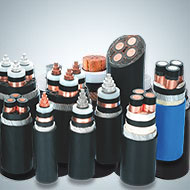 High Voltage Cables
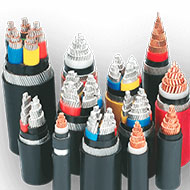 Low Voltage Cable
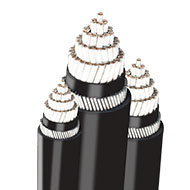 Control Cables
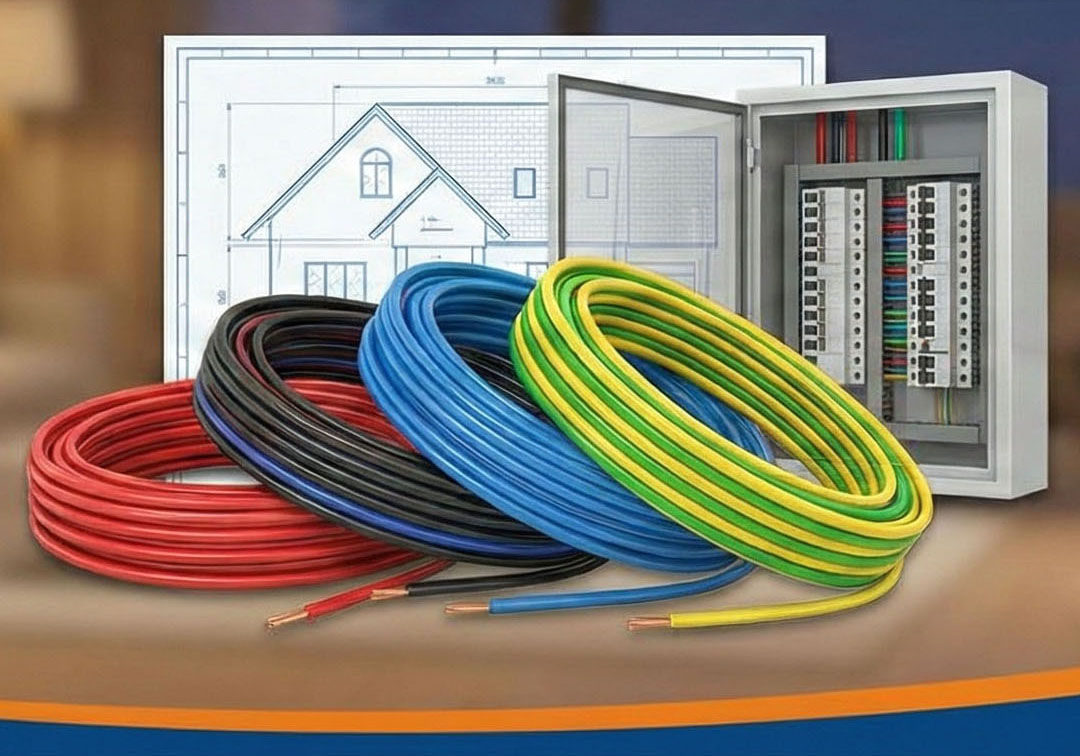
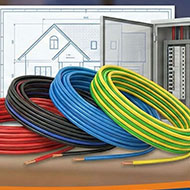 House Cables
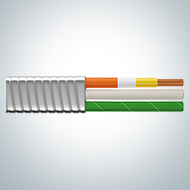 ESP Cables
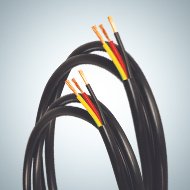 Single Core / Multicore Flexible Cables
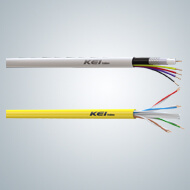 Communication Cables
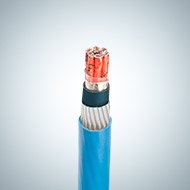 Instrumentation Cables
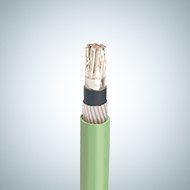 Thermocouple Extension/Compensating
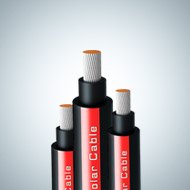 Solar Cables
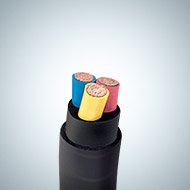 Rubber Cables
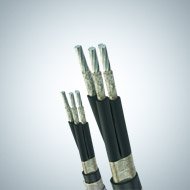 Fire Survival / Resistant Cables
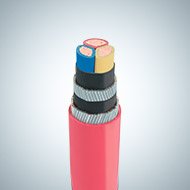 Marine & Offshore Cables
 Winding Wires
 Stainless Steel Wires
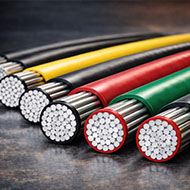 Medium Voltage Covered Conductors
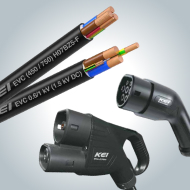 EV Charging Cables and Guns
 Parking management Solutions